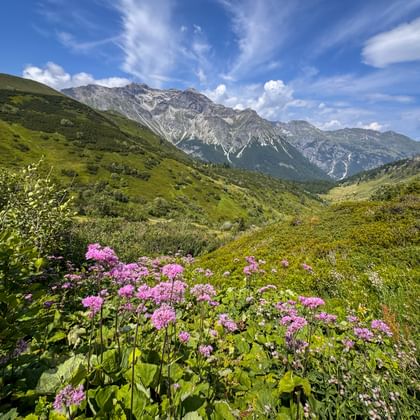
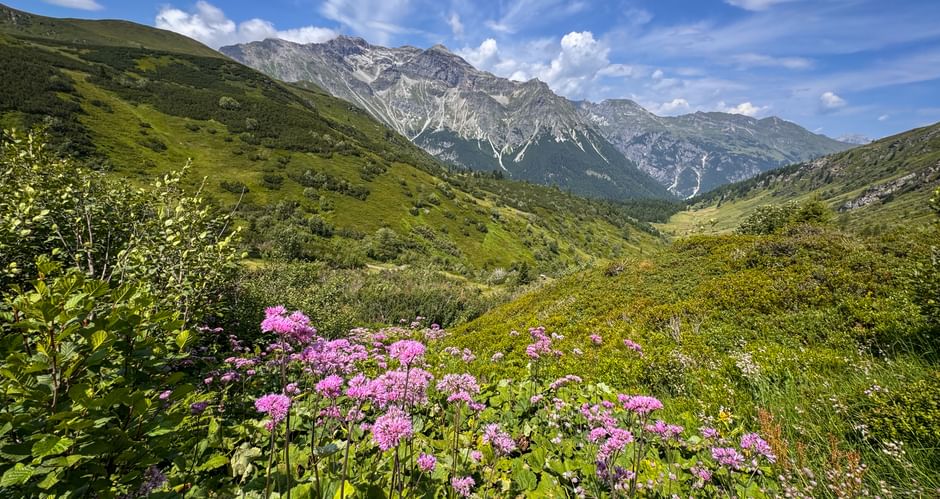
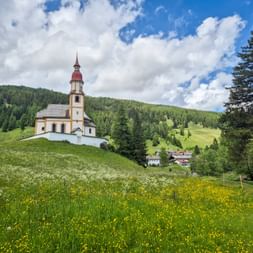
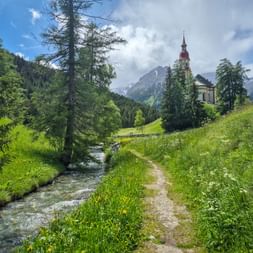
A new day, a new adventure. Today, the route leads across the main Alpine ridge into Italy, and I set off full of anticipation. A long stage lies ahead, with plenty to discover. I begin along a meadow path, passing the picturesque church of Obernberg. Ahead, jagged, snow-dusted peaks and rugged ridgelines rise into view. Where exactly will the route cross?
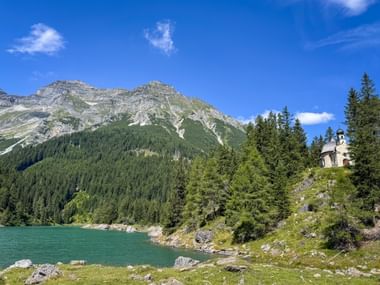
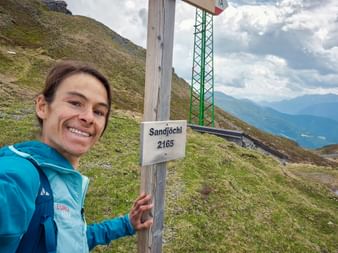
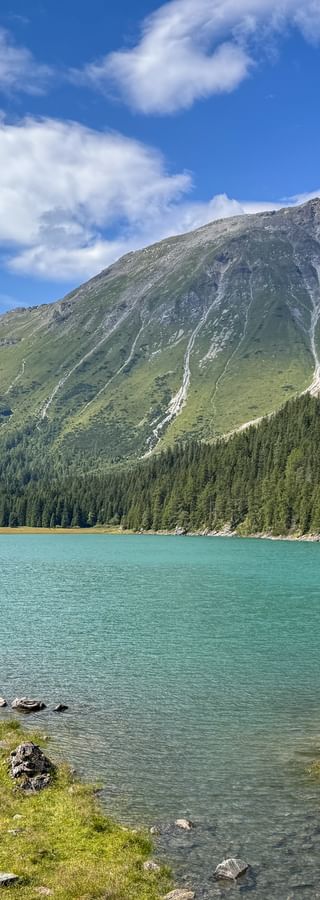
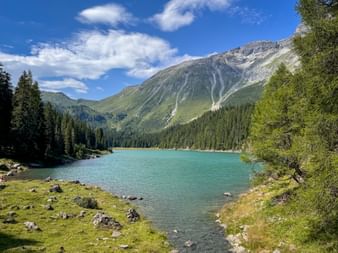
Before long, I reach Lake Obernberg, a true natural gem shimmering in a striking turquoise that almost feels Caribbean. It’s no surprise that many day trippers gather here, but I soon leave them behind after passing the idyllic photo spots with the small chapel set in the lake. Step by step, I continue toward the Sandjöchl. There is still plenty of elevation gain ahead, and from afar I can already make out the ridge high above. The trail winds upward in gentle switchbacks across alpine meadows until I reach my first goal of the day, the Sandjöchl, perched at over 6,560 feet (2,000 meters).
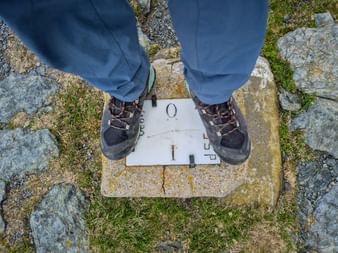
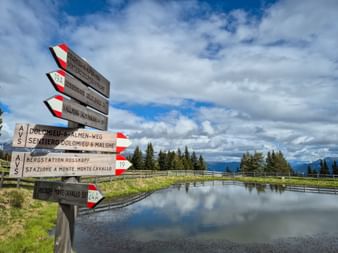
At the top, my eyes are immediately drawn to the border marker. The inscription “Ö” for Österreich and “I” marks the border between Austria and Italy. A photo here is a must, capturing the moment with one foot in Austria and the other already in Italy. Both signposts, on the Austrian and Italian sides, point toward Gossensass, my destination for the day.
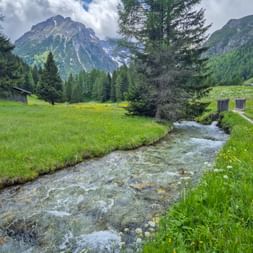
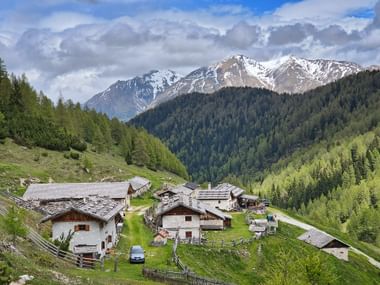
From here, the trail descends more than 3,610 feet (1,100 meters) through forested slopes, winding its way down in a series of curves. After about an hour and a half, I join the Camino de Santiago route that crosses the Brenner Pass. The final stretch feels almost like a pilgrimage as I make my way to the day’s end.
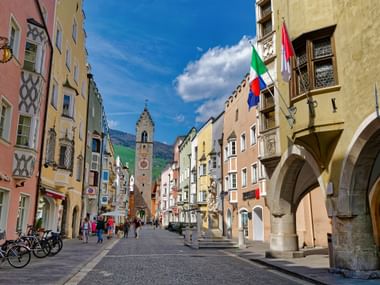
Welcome to Italy, benvenuti! Gossensass is a small village with a small shop, a few restaurants and small hotels, surrounded by impressive mountain scenery. It is also the first village south of the Brenner Pass, nestled at the entrance to the charming Pflersch Valley.